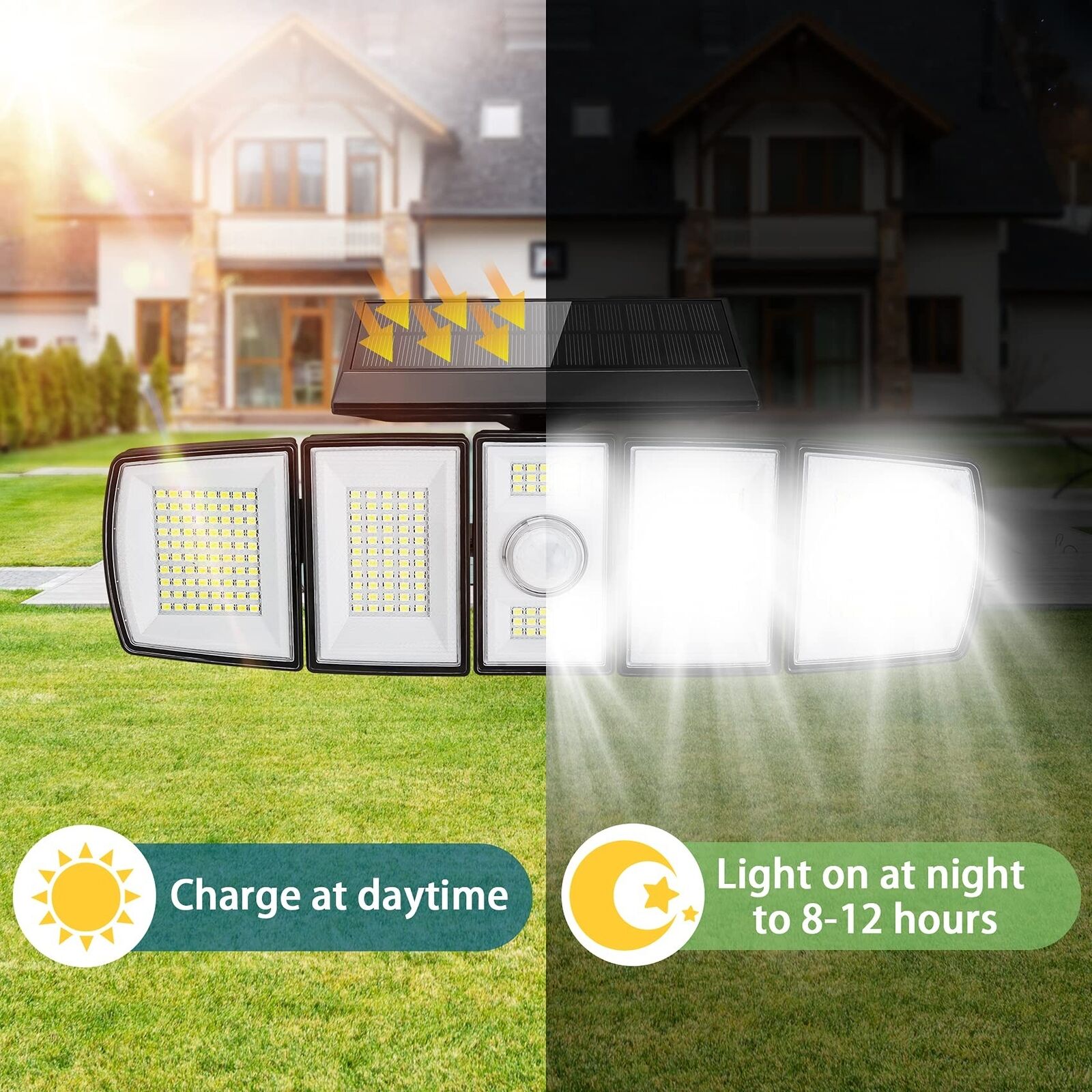
Gaining an in-depth understanding of outdoor solar lighting necessitates beginning with the fundamental mechanisms of how solar lights function. Embedded in each solar light is a compact yet robust system composed of critical components: a photovoltaic cell, a battery, a light source (commonly CFL or LED), and a photosensor. Each component is integral to harnessing solar energy and transforming outdoor spaces into well-lit, efficient, and sustainable environments.
The Photovoltaic Cell: The Solar Powerhouse
At the core of solar lighting technology is the photovoltaic cell, often simply known as a solar panel. This component is pivotal in capturing sunlight and converting it into usable electrical energy. Constructed from semiconductor materials, it operates on the photovoltaic effect, where exposure to sunlight generates electricity. The cell's efficiency is paramount, as higher efficiency means greater solar energy conversion, crucial for capturing sufficient power even on days with less-than-ideal sunlight conditions.
| Component |
Function |
Key Feature |
| Photovoltaic Cell |
Converts sunlight into electrical energy |
Efficiency in energy conversion |
| Battery |
Stores electrical energy |
Capacity and longevity |
| Light Bulb (CFL or LED) |
Provides illumination using stored energy |
Energy efficiency and lifespan |
| Photosensor |
Automates the light's operation based on ambient light |
Convenience and energy conservation |
Storing Sunlight: The Battery
After the conversion of sunlight into electricity by the photovoltaic cell, the next crucial step is the storage of this energy for later use, performed by the battery. Solar lights are outfitted with rechargeable batteries designed to store the electrical energy accumulated throughout the day. The battery's capacity and quality are vital, influencing the duration the light remains operational after dark, thereby affecting the light's dependability and nightly performance.
Illuminating the Night: The Light Bulb
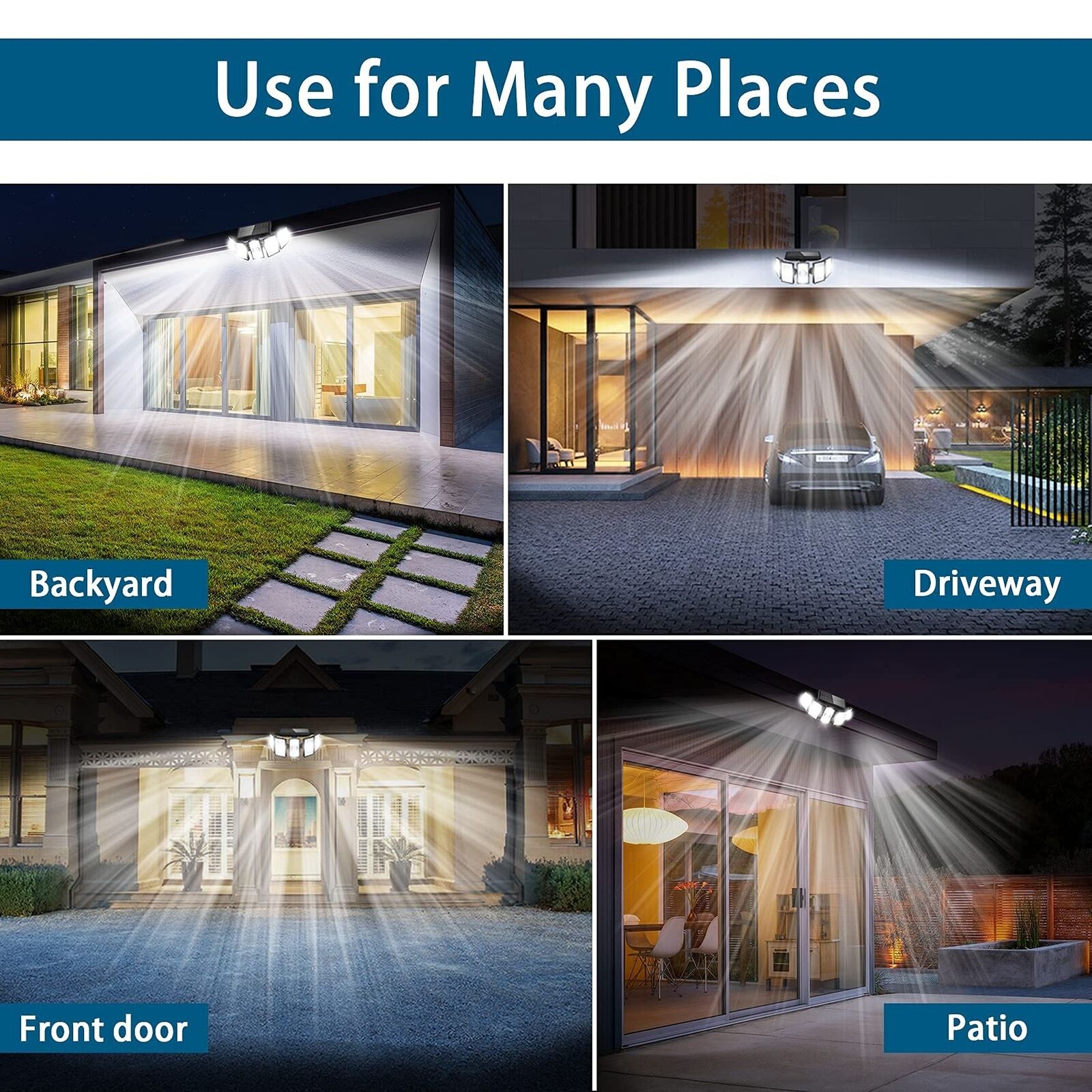
The conversion of stored electrical energy into visible light is executed by the light bulb during nighttime. Modern solar lights predominantly utilize compact fluorescent lamps (CFL) or light-emitting diodes (LED) as their lighting source. Owing to their superior energy efficiency, extended operational life, and the capability to emit bright, clear illumination, LEDs are becoming the preferred choice for a range of applications, from illuminating garden pathways to bolstering security around the perimeter of a property.
Smart Operation: The Photosensor
An integral feature that distinguishes solar lights is their ability to operate autonomously, a functionality enabled by the inclusion of a photosensor. This sensor adeptly measures the ambient light levels, automatically activating the solar light as daylight fades and deactivating it with the morning light. This feature not only aids in energy conservation but also simplifies the operation, eliminating the need for manual intervention.
By harmoniously integrating these components, solar lights serve as a dependable and eco-friendly lighting solution for outdoor areas. They offer a greener alternative to conventional, grid-dependent outdoor lighting by utilizing renewable solar energy, storing it, and efficiently using it to power light bulbs.
Spotlight on the 30LED Solar Motion Light
Among the myriad of outdoor solar lighting options, the 30LED Solar Motion Light stands out, embodying the integration of solar technology's best features with the added advantage of motion detection.
| Feature |
Specification |
| LED Quantity |
300pcs |
| Solar Panel |
1.5W/5.5V |
| Sensor Distance |
8-10m |
| Delay Time |
30S |
| Wattage |
8.5W |
| Lumen |
850lm |
| Li-ion Battery |
3.7V 2200mAh |
| Sensor Angle |
120° |
| Protection Level |
IP44 |
This light exemplifies efficient solar energy use, providing robust illumination with a broad sensor range and substantial battery life, suitable for enhancing security and visibility in outdoor areas.
Conclusion: Illuminating with Solar Lights
The integration of photovoltaic cells, batteries, efficient lighting, and smart sensors in solar lights offers a sustainable, efficient, and user-friendly solution for outdoor lighting needs. Understanding these operational fundamentals equips users with the knowledge to select suitable solar lighting solutions, like the 30LED Solar Motion Light, enhancing the aesthetics, safety, and sustainability of their outdoor environments.
Interested in the 30LED Solar Motion Light?
If you're looking to elevate your outdoor lighting with the eco-friendly and efficient 30LED Solar Motion Light, contact us today for a quote. Let's brighten your outdoor spaces with sustainable solar lighting solutions that blend seamlessly with your environment's natural beauty.

